AI is generating photorealistic food imagery, creating virtual product shots, and producing recipe visuals without physical food preparation. Here's what that means for food stylists — and where hands-on craft, sensory expertise, and authentic food presentation remain valuable.
AI won't replace food stylists entirely; authentic photography for premium brands, cookbook work, and editorial food content that requires real food still commands human expertise. But AI is generating synthetic food imagery for lower-budget digital and social content at a scale and cost that is contracting those market segments.
TASK LEVEL RISK
Most of the work stays human. AI assists at the edges.
AI is handling specific tasks. The core role is intact but shifting.
AI is automating significant portions of the work. Adaptation is essential.
 Higher risk
social media and digital content food imagery, menu photography for fast casual chains, stock food photography, virtual product visualization, basic recipe illustration
Lower risk
premium brand and advertising food photography, cookbook and editorial styling, high-end restaurant photography, authentic product launches requiring real food
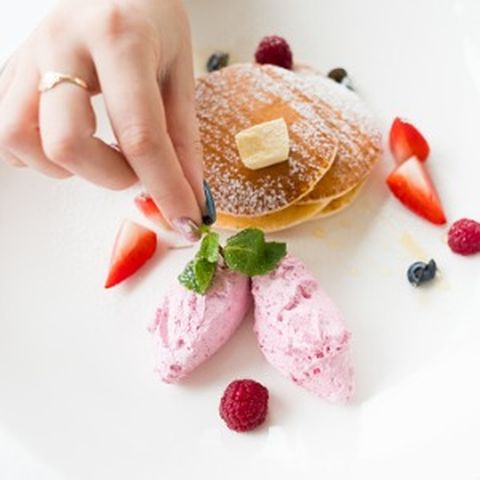
Food stylists create the visual language of food through hands-on craft — selecting, preparing, and arranging real food to capture its most appealing qualities. The sensory expertise, technical knowledge of food behavior under lights, and creative vision that produce authentic food photography are irreducibly human.
WHAT YOU SHOULD DO
Skills to build for the AI era
New skills - Adapt to the AI landscape
 New skills - Adapt to the AI landscape
Using AI image generation for concept visualization and mood board development helps food stylists present ideas to clients.
Styling food for video, GIFs, and social media motion content requires understanding how food behaves over time —.
Timeless skills - What AI can't replicate
 Timeless skills - What AI can't replicate
Understanding how ingredients cook, cool, wilt, and behave under studio lights is the technical foundation of food styling.
Creating visually compelling arrangements of food, surfaces, and props that serve a brand's aesthetic requires art direction skill.
Interpreting client briefs, collaborating with photographers and art directors, and managing the logistics of food production shoots requires.
Understanding current food photography trends, brand visual languages, and the aesthetic codes of different industries — food, hospitality.
THE FULL PICTURE
What AI can do, what it can't, and where the career is headed
What AI can already do
- Generate photorealistic food images from text descriptions and style references
- Create virtual product shots for digital menus and online retail
- Produce recipe illustration and social media food content at scale
- Visualize food concepts and color palettes for creative development
What AI can't do
- Prepare and style real food to capture its authentic texture, steam, and freshness.
- Know how a sauce will behave under hot lights or when a cream will deflate.
- Create the authentic imperfection that makes food photography feel genuine rather than synthetic.
- Work with food brands to develop visual guidelines that translate to real product execution.
- These craft and authenticity functions define food styling, and they remain human.
Food stylists who work on premium brand, editorial, and cookbook projects that require authentic food photography will maintain strong demand — while lower-budget digital and social content increasingly uses AI-generated imagery.
Do you have the right strengths for this career?
Our test measures your personality and strengths — and shows how you match with 1600+ careers.
Job outlook
The BLS categorizes food stylists under art directors and food service workers, without a specific growth projection. Most food stylists work as freelancers. Premium brand, cookbook, and editorial food styling maintain demand for authentic work, while AI is contracting lower-budget digital content segments.