AI image generation tools can produce costume concept visualizations quickly. Here's what that means for your career and what to do about it.
AI will not replace costume designers. Interpreting a character's psychology through clothing, collaborating with directors and actors, and constructing garments that work under performance conditions require artistic vision and craft that AI tools cannot originate.
TASK LEVEL RISK
Most of the work stays human. AI assists at the edges.
AI is handling specific tasks. The core role is intact but shifting.
AI is automating significant portions of the work. Adaptation is essential.
 Higher risk
initial concept sketching and mood boarding, fabric swatch research and reference gathering, period research and visual reference compilation, budget tracking and purchase order documentation
Lower risk
character-driven design and collaboration with directors, garment construction and fitting, period authenticity and historical accuracy judgment, on-set and backstage costume supervision, aging and distressing techniques
Costume designers bring deep understanding of historical period, character psychology, material behavior, and collaborative storytelling. The creative partnership with directors and actors, the ability to translate script and character into wearable performance, and the physical craft of construction are human capabilities that AI concept generators cannot replicate.
WHAT YOU SHOULD DO
Skills to build for the AI era
New skills - Adapt to the AI landscape
 New skills - Adapt to the AI landscape
Using AI image generation tools to rapidly produce initial concept visuals and mood boards for director and design team review.
Using digital garment simulation software to visualize how designs will move and fit before construction, reducing costly sample iterations.
Producing high-quality digital costume renderings that communicate design intent to directors, producers, and construction teams.
Timeless skills - What AI can't replicate
 Timeless skills - What AI can't replicate
Translating a character's psychology, story arc, and period context into costume choices that serve the production's creative vision.
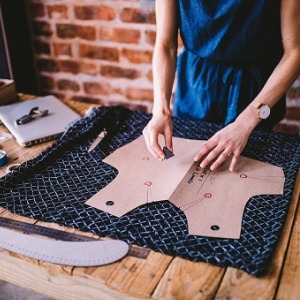
Draping, cutting, and constructing garments that perform under stage and screen conditions, and fitting them to specific performers.
The creative partnership with directors, actors, and production designers that develops a coherent visual world for a production.
THE FULL PICTURE
What AI can do, what it can't, and where the career is headed
What AI can already do
- Generate initial visual concepts and mood board imagery from text descriptions
- Suggest period-accurate silhouettes and color palettes from historical references
- Accelerate fabric research by surfacing visual options for designer review
- Draft pattern variations and layout suggestions for established designs
What AI can't do
- Understand the psychological truth of a character and translate it into clothing that actors feel and audiences read.
- Collaborate in the room with a director to evolve a design vision over weeks of development.
- Construct a garment that moves, ages, and survives the physical demands of stage and screen.
- Make the real-time adjustments during fittings that make costumes work for specific performers.
Growth depends on entertainment industry production volumes.
Do you have the right strengths for this career?
Our test measures your personality and strengths — and shows how you match with 1600+ careers.
Job outlook
BLS projects 2 percent growth for craft and fine artists, a category that includes costume designers, from 2024 to 2034. Median annual wages for costume attendants were $51,710 in May 2024; senior designers and department heads earn significantly more. Film, television, theater, and opera are primary employers, with freelance work common.