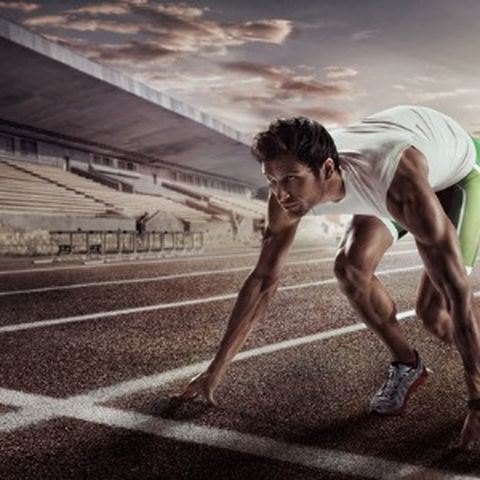
Sports teams and individual athletes now use AI systems to analyze every movement, optimize training loads. Here's what that means for your career and what to do about it.
AI will not replace athletes. Sports exist because human performance and competition are what fans pay to watch.
TASK LEVEL RISK
Most of the work stays human. AI assists at the edges.
AI is handling specific tasks. The core role is intact but shifting.
AI is automating significant portions of the work. Adaptation is essential.
 Higher risk
reviewing game film and identifying patterns, basic conditioning monitoring, nutrition and recovery scheduling, opponent tendency analysis for game planning
Lower risk
athletic competition and performance, physical skill execution under pressure, real-time in-game decision-making and adaptation, leadership and team dynamics, fan engagement and public presence
Athletes provide the physical performance, competitive spirit, and human drama that sports audiences value. The body, the skill, the mental competition, and the achievement of human physical limits are the product; no AI can substitute for what happens on the field, court, or track.
WHAT YOU SHOULD DO
Skills to build for the AI era
New skills - Adapt to the AI landscape
 New skills - Adapt to the AI landscape
Using biomechanical video analysis and wearable sensor data to identify technique improvements, track progress, and reduce injury risk.
Incorporating AI-generated scouting reports and tendency models into game preparation to compete more effectively against opponents.
Working with sports science staff and AI tools to optimize training intensity, recovery timing, and in-season workload to stay healthy and competitive.
Timeless skills - What AI can't replicate
 Timeless skills - What AI can't replicate
The physical skills and technical mastery of a sport, developed over years of deliberate practice, are the core of what an athlete offers and cannot be replicated.
Managing pressure, performing under high stakes, and recovering from setbacks are the mental dimensions of elite performance that define careers.
Contributing to team cohesion, communicating with teammates, and leading by example require interpersonal skills AI cannot model.
THE FULL PICTURE
What AI can do, what it can't, and where the career is headed
What AI can already do
- Analyze biomechanics from video to identify technique improvements and injury risk
- Model opponent tendencies and predict likely plays or strategies
- Optimize training loads and recovery schedules to reduce injury risk
- Track athlete biometrics in real time to inform in-game management decisions
What AI can't do
- Compete on the field, court, or track.
- Execute the physical skills athletes spend careers developing.
- Make the real-time competitive decisions under pressure that separate elite performers.
- Provide the human drama and achievement that sports audiences invest in emotionally.
- Replace what it means for a human being to win or lose.
AI tools make training more effective and extend careers, but competition and what it means to win or lose require humans.
Do you have the right strengths for this career?
Our test measures your personality and strengths — and shows how you match with 1600+ careers.
Job outlook
BLS projects 5 percent growth for athletes and sports competitors from 2024 to 2034, about as fast as average. Median annual wages were $62,360 in May 2024, though top professional athletes earn far above this figure. About 2,100 openings are projected annually; professional sports positions are extremely competitive relative to participants.